Humanoids 16 October 2026
Are Humanoid Robots Ready for Everyday Use Yet? What They Can Do and for How Long
Battery, speed, payload and first pilot deployments: a sober assessment of what humanoids can do today and what they cannot yet.
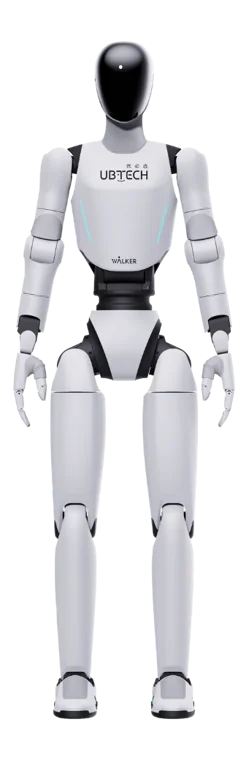
The short answer: partly. For targeted tasks and pilot projects, humanoids are usable today. As a replacement for specialized robots in continuous operation, they are usually not yet the most economical choice. The following assessment is based on the manufacturer data in our range.
How long does a humanoid run at a stretch?
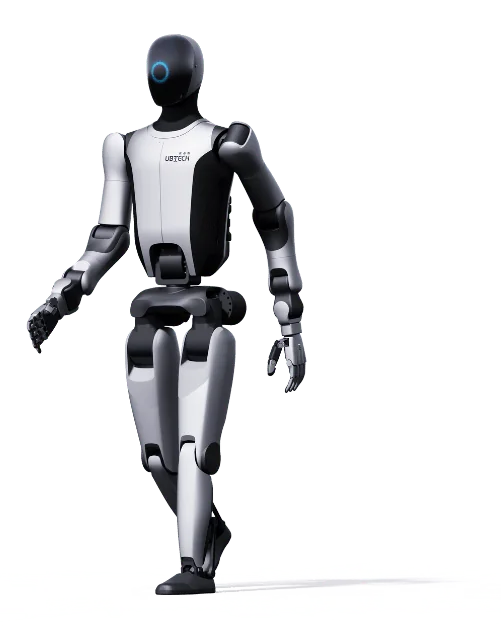
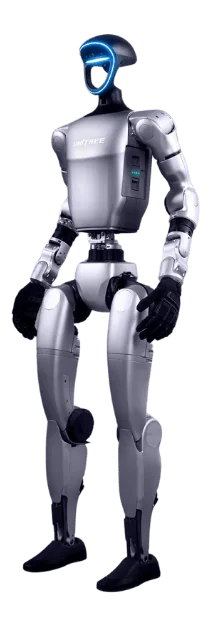
The stated runtimes are around 2 to 4 hours per battery charge, depending on the model: the Unitree G1 Basic runs for about 2 hours, the Unitree H2 and UBTECH Walker C1 for about 3 hours, the Walker Tienkung for over 3.5 hours and the Cruzr Y1 for over 4 hours. One exception is the UBTECH Walker S2, which swaps its own battery and is therefore intended for longer deployments.
How fast are they?
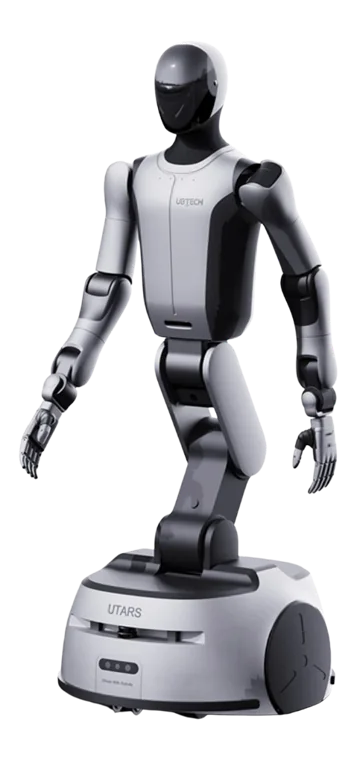
Top speeds are up to 2.0 m/s (Walker S2, Cruzr S2), up to 3.0 m/s (Walker C1) and up to 3.3 m/s for the Unitree H1. These are maximum values, not working speeds. In everyday conditions with obstacles, doors and people, robots move considerably more slowly.
What can they carry and grasp?
Payload per arm ranges from around 3 kg for the Unitree G1 EDU, through around 7 kg for the Unitree H2, to up to 15 kg for the UBTECH Walker S2 and Cruzr S2. That is enough for containers and parts, but not for heavy loads. How skillfully the hands handle different objects depends heavily on the equipment and the task.
What do they achieve per hour?
Manufacturers do not state reliable output figures per hour, and they depend on your workflow. This can only be measured in a pilot: same task, same time, compared with your current process. Serious offers say so openly.
Where are they already running?
According to press reports, first UBTECH humanoids are being tested in logistics centers of the drugstore chain Rossmann. A pilot with the Walker S2 has reportedly been running since the end of March and is planned until the end of 2026. Humanoids are also common in research, teaching and demonstrations.
What works well today and what does not yet
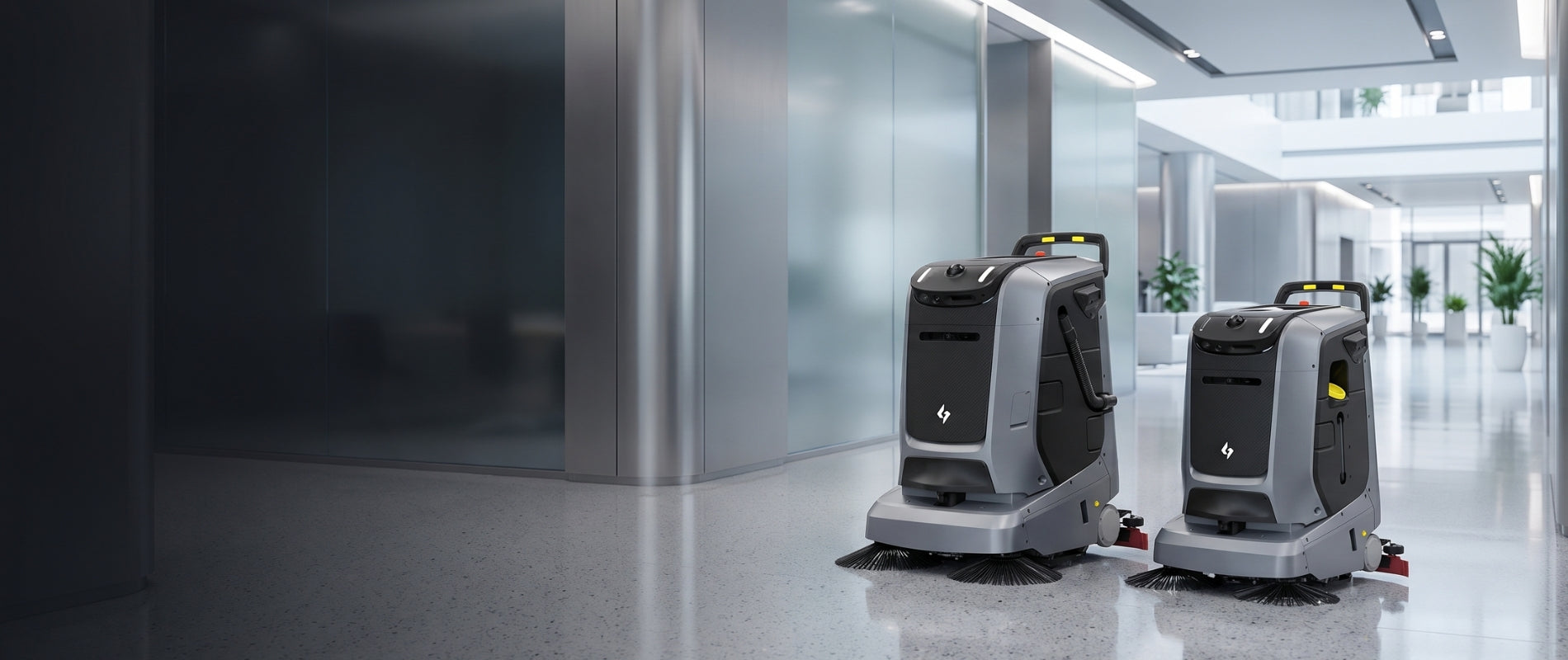
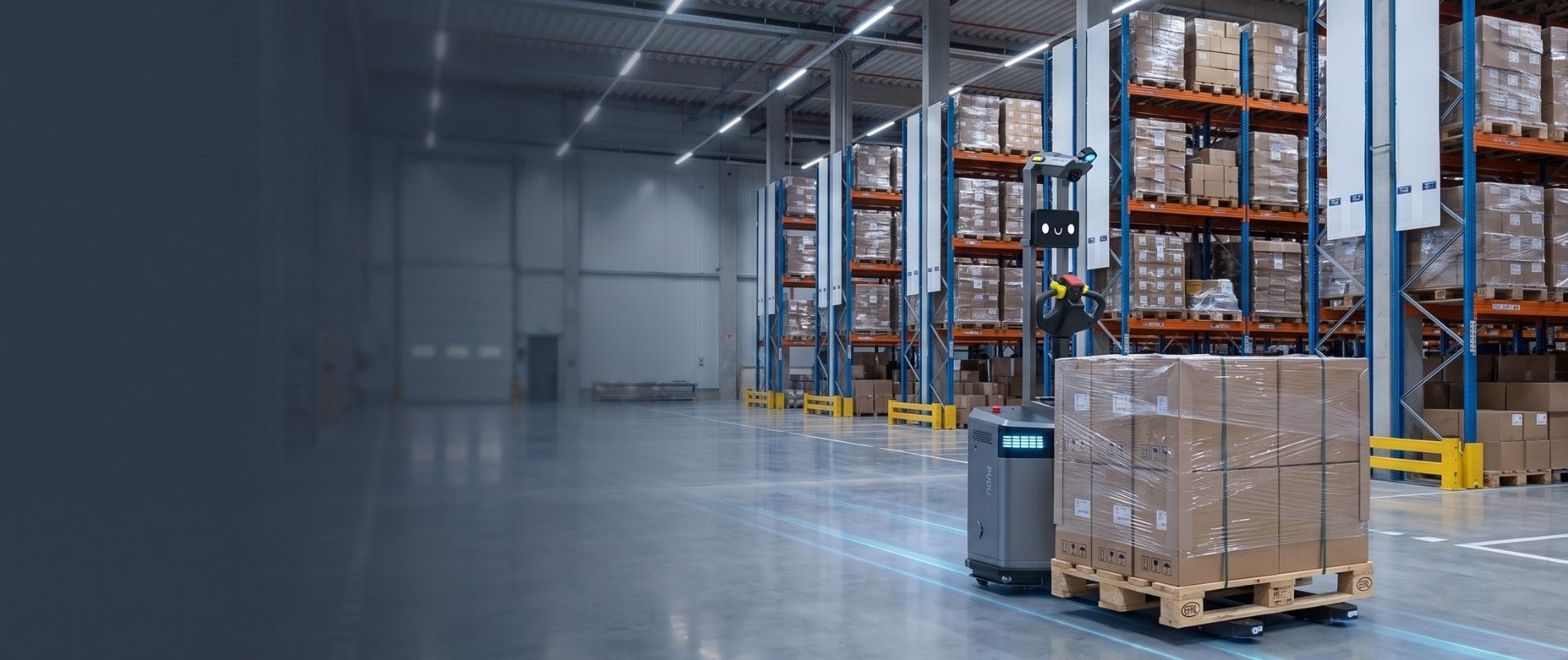
What works well: clearly defined tasks, pilot projects, research, training and demonstrations. Still difficult: continuous operation over entire shifts, heavy loads, unstructured environments and tasks requiring a lot of finesse. For cleaning and transport, specialized mobile robots are usually more mature and less expensive today.
What to look out for
There are many forecasts about when humanoids will be generally ready for everyday use, but none is reliable. Instead, watch four things: battery swapping instead of long charging breaks, hand dexterity, price per hour of operation and the safety approval for your work area. We support you with a limited pilot project that gives you your own figures.