

Your employeesmove goods. Orrobots drive.
Automate recurring transport routes in the warehouse and gain capacity for productive tasks.
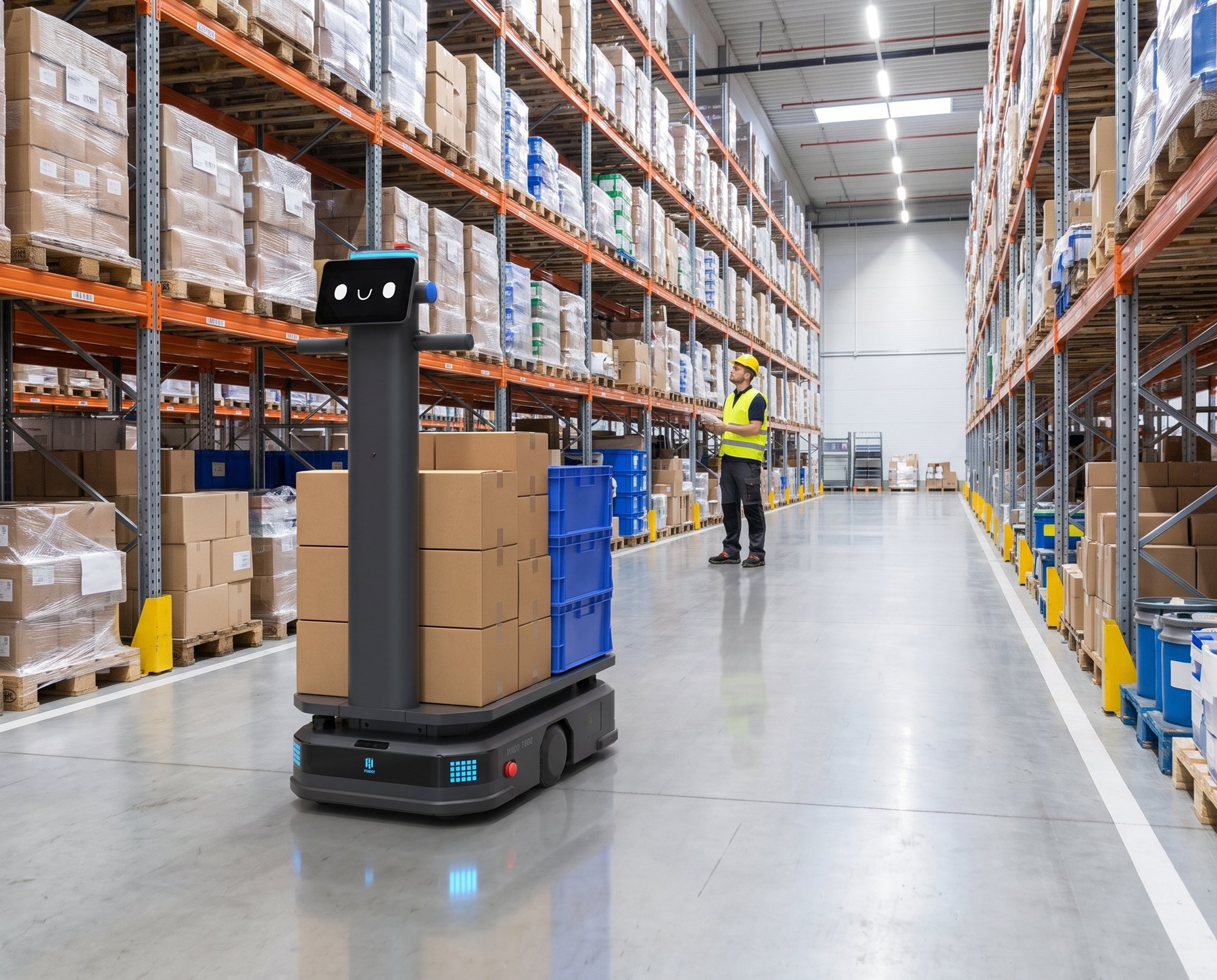
Where everyday work gets stuck.
- 1
Transport routes cost time
Between goods receipt, storage, line and dispatch, the same routes are walked every day, often by hand.
- 2
Staff for simple tasks is missing
Simple transport tasks tie up skilled workers who would achieve more elsewhere.
- 3
Routes without added value
Recurring routes can be defined, measured and automated.
How robots solve it.
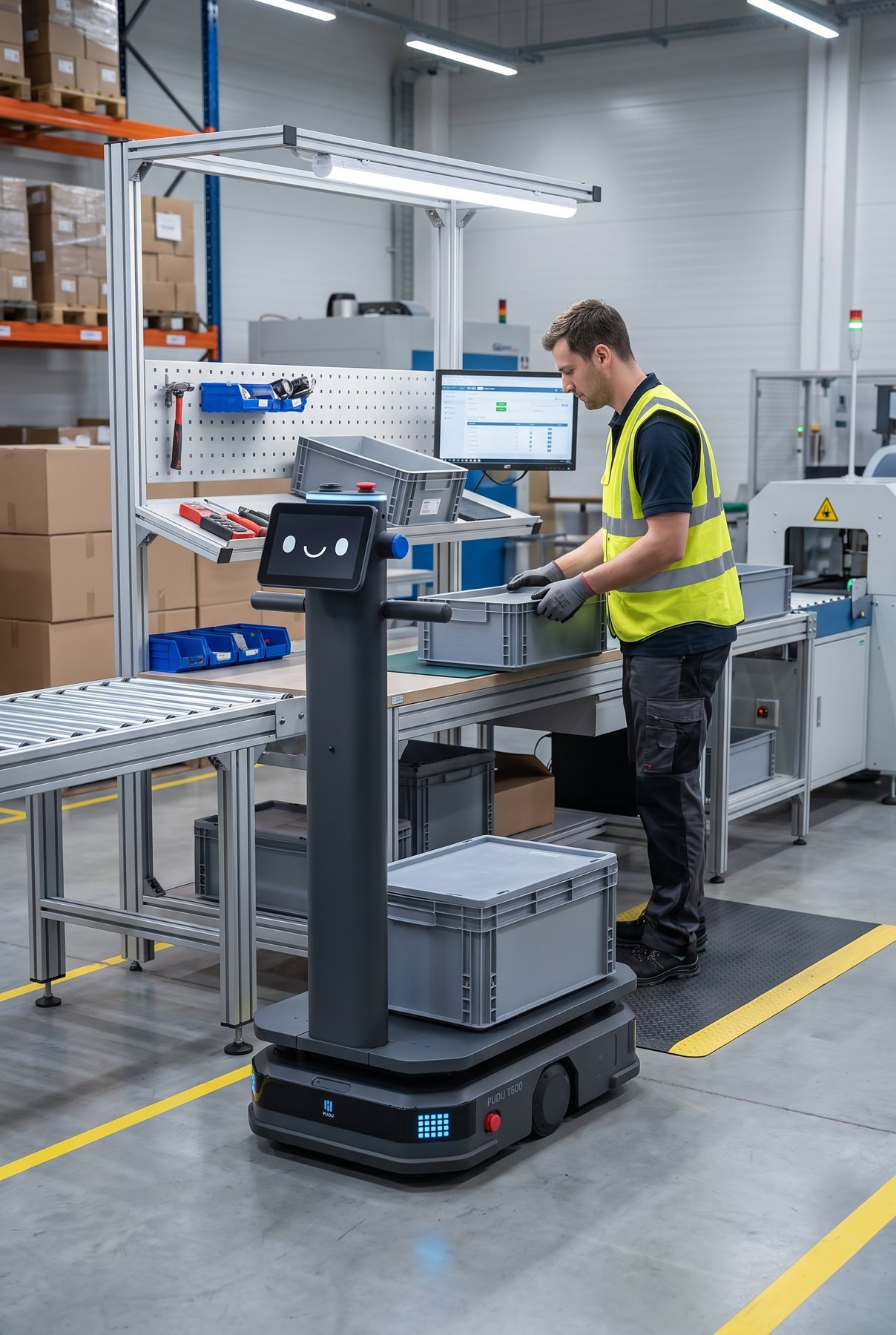
Line supply and racks
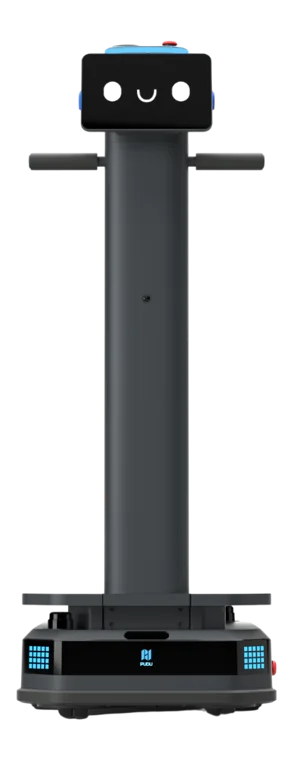
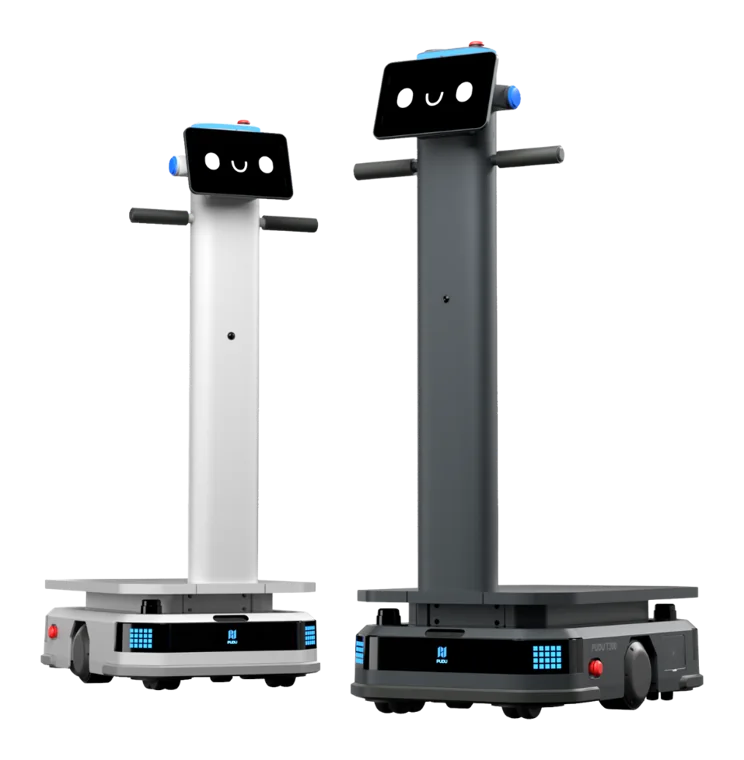
The PUDU T300 carries 300 kg and runs for up to 12 hours. The T600 carries 600 kg, and the underride variant drives under racks and lifts them.
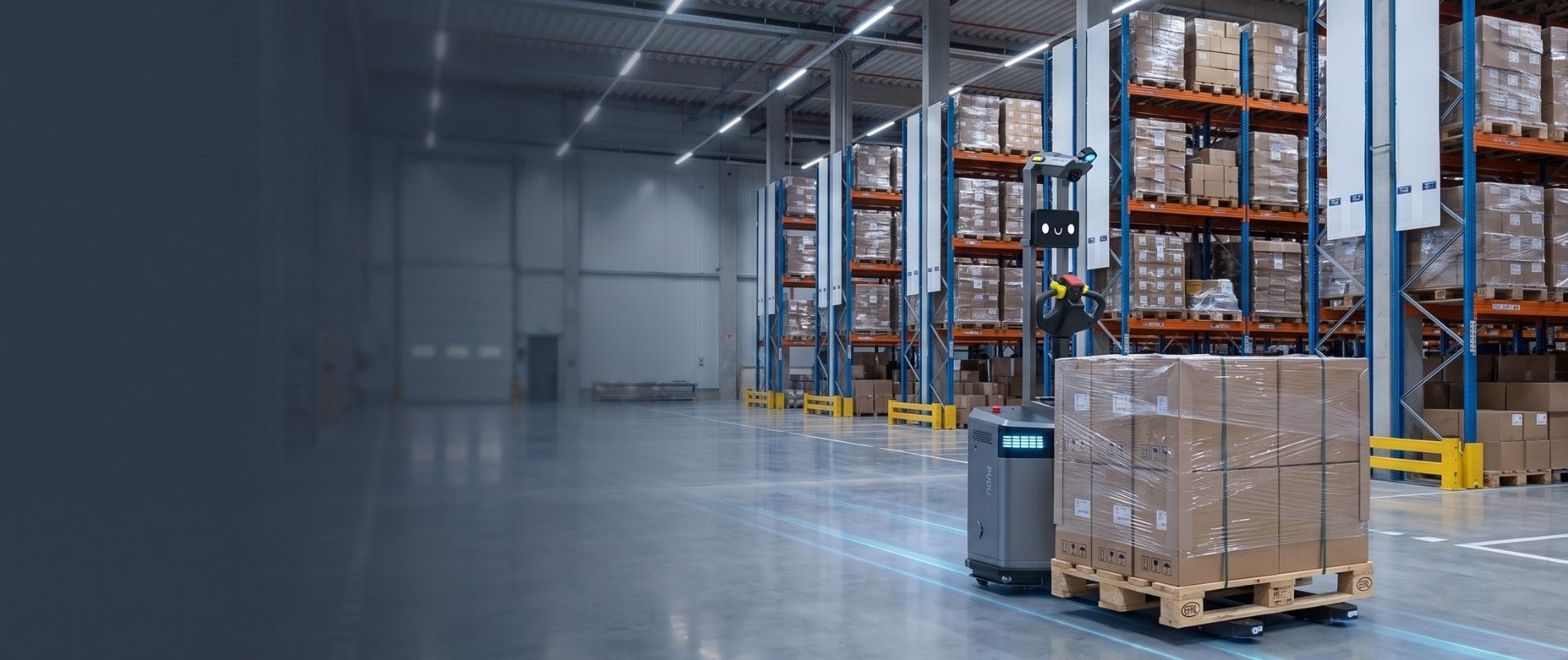
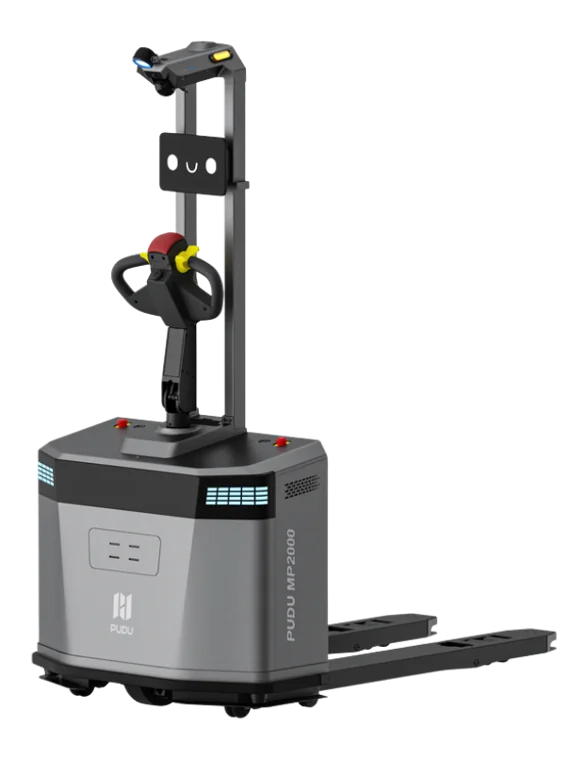
Pallets up to 2,000 kg
The PUDU MP2000 picks up pallets and moves them through warehouse and production. We clarify availability and delivery time for you.
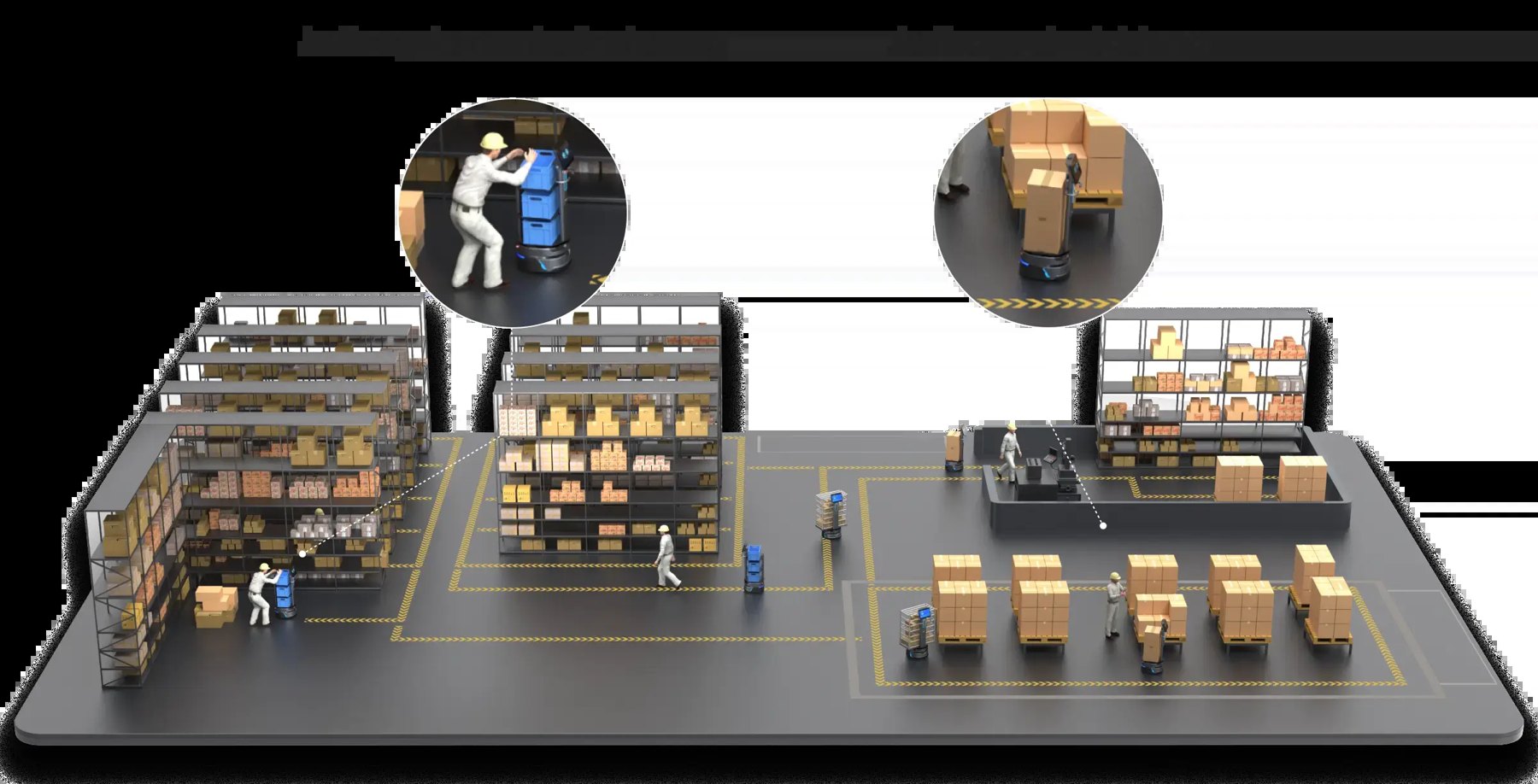
Containers and order picking
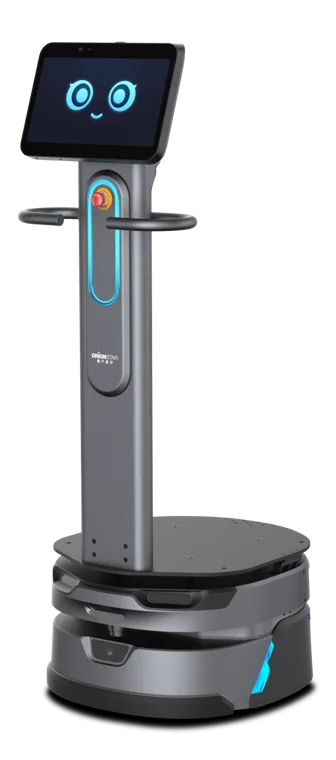
The OrionStar CarryBot carries up to 100 kg and manages with a 65 cm passage. Fleet management coordinates several units.
Plannable instead of gut feeling.
We do not promise blanket savings. We calculate with your figures and show whether a robot pays off for you.
- Hours per day for the taske.g. cleaning or transport
- times cost per working hourYour wage or service provider costs
- equals cost today per monthdetermined in the potential check
- compared with a robot packageBasic from 1,500 euros per month
Packages by operating time
- Basic4 hours daily1.500 € per month
- Premium8 hours daily3.500 € per month
- Continuous operation24 hours dailyon request
All prices are net, plus statutory VAT. Details and terms in the quote.
Compare all servicesYour path to the first robot deployment.
- 1
Analyze
We look at routes, areas and workflows in your business and clarify where a robot really relieves the load.
- 2
Test
A pilot operation shows in everyday use whether robot and process fit together, before you commit.
- 3
Implement
We set up the robot, map the rooms and train your team.
- 4
Support
We are available for questions and faults. We organize maintenance and spare parts for you.
Free of charge. Non-binding. Practice-oriented.
Your questions. Our answers.
How heavy can the loads be?
+
Depending on the model, from 100 kg (CarryBot) through 300 and 600 kg (T300, T600) up to pallets of 2,000 kg (MP2000).
How do the robots find their way?
+
They navigate with sensors and a map of the space, drive around obstacles and head for defined destinations. We clarify routing and elevators in advance.
Can humanoids take over transport tasks?
+
In pilot projects, yes. For continuous transport operation, specialized driving robots are usually the more economical choice today.